Skin SOS: Signs Your Barrier Needs Help
5 Signs of a Damaged Skin Barrier & How to Repair It
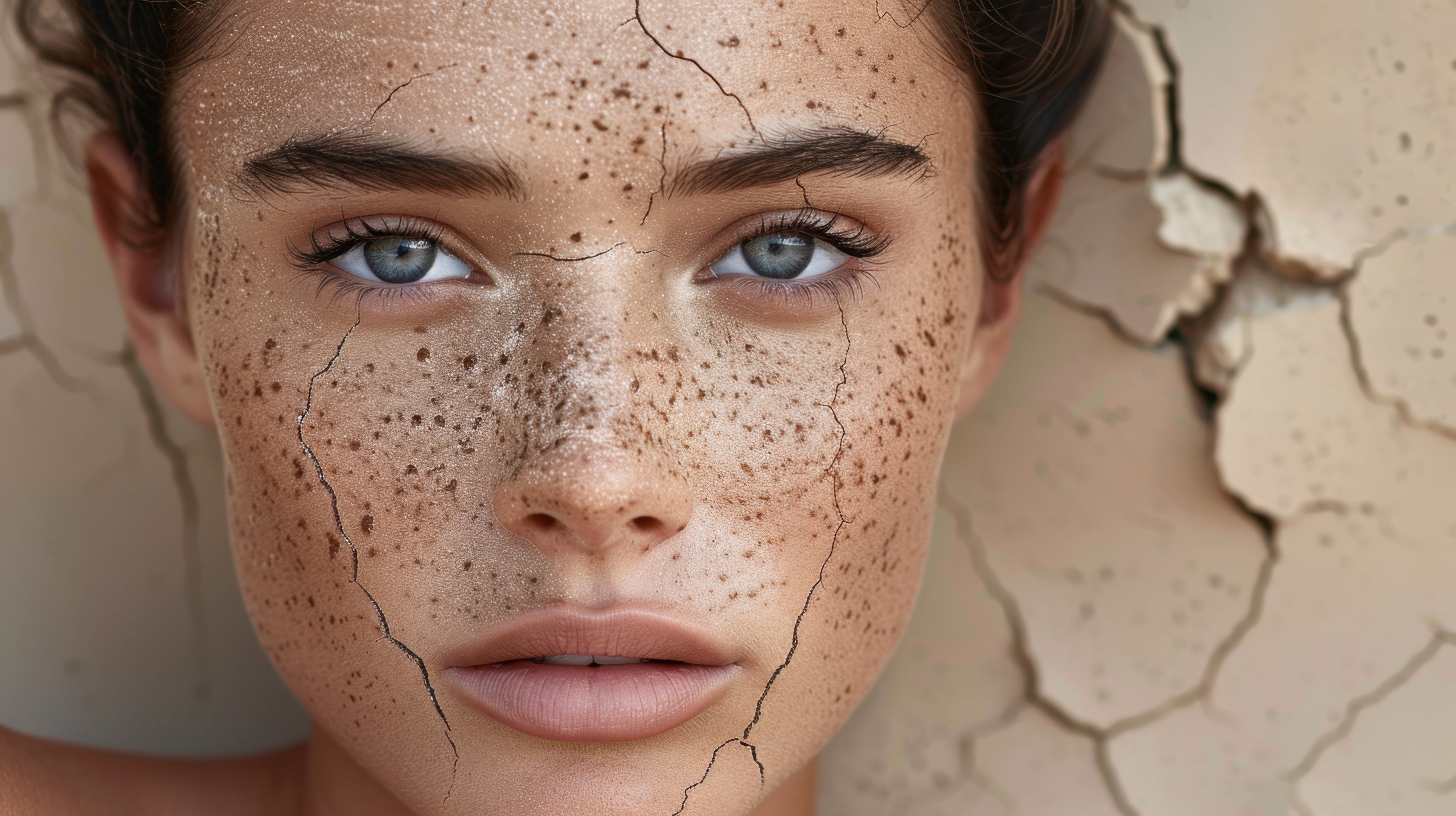
Your skin barrier is an unsung hero—working tirelessly to lock in moisture, protect against environmental stressors, and prevent irritation. But when this essential layer becomes compromised, your skin sends distress signals that shouldn’t be ignored.
Understanding the warning signs of a damaged barrier can empower you to take timely, restorative action.
Here’s how to identify when your skin barrier is in need of help and what to do about it.
Key Signs of a Compromised Barrier
1. Persistent Dryness & Dehydration
Does your skin feel tight, flaky, or rough? These are hallmark signs of trans-epidermal water loss (TEWL), which occurs when your barrier can no longer retain adequate moisture, leading to chronic dehydration.
Symptoms:
- Flaky, rough patches.
- Skin feels tight or uncomfortable.
- Increased fine lines due to lack of moisture.
2. Increased Sensitivity & Irritation
A damaged barrier leaves your skin exposed and vulnerable, making it more reactive to products, weather changes, and environmental irritants. If your skin suddenly stings, burns, or turns red after applying products, your barrier is likely compromised.
Symptoms
- Burning, stinging or itching after applying skincare.
- Skin reacts negatively to ingredients it used to tolerate.
- Increased sensitivity to hot or cold temperatures.
3. Unexplained Redness & Inflammation
A compromised barrier leads to inflammation, making the skin appear red, blotchy, or irritated. This redness may be persistent or flare up with external triggers, such as pollution, extreme temperatures, or harsh skincare products.
Symptoms:
- Patches of redness that don't fade easily.
- Increased reactivity to environmental factors.
- Skin feels warm or inflamed.
4. Sudden Breakouts & Blemishes
When the skin barrier is damaged, it becomes more susceptible to bacteria, pollutants, and irritants. This can lead to clogged pores, breakouts, and inflammation, even if you don’t typically experience acne.
Symptoms:
- Increased breakouts or pustules.
- Skin feels congested and inflamed.
- Acne in areas where you don’t usually break out.
5. Dull, Uneven Texture
A healthy skin barrier supports cell renewal and radiance. When compromised, the skin’s natural exfoliation process slows down, leading to a dull complexion, uneven texture, and rough patches.
Symptoms:
- Skin looks lifeless and lacks glow
- Uneven texture and rough patches
- Increased signs of premature ageing
What Causes Skin Barrier Damage?
Several factors can weaken your skin’s protective layer, leading to moisture loss, irritation, and breakouts.
1. Over-Exfoliation
Using too many acids (AHAs, BHAs, retinoids) or physical scrubs can strip away essential lipids, weakening the barrier.
2. Harsh Cleansers & High-pH Products
- Sulfate-based or high-pH cleansers disrupt the skin’s natural pH, leading to irritation and dehydration.
3. Environmental Stressors (Pollution, UV, Weather)
- Pollution and UV exposure generate free radicals, breaking down collagen and ceramides.
- Cold, dry climates sap moisture, while humidity can cause barrier imbalance.
4. Dehydration (Internal & External)
- Lack of water intake or a skincare routine missing hydrating ingredients like hyaluronic acid can weaken the barrier.
5. Stress & Poor Diet
- Chronic stress increases cortisol levels, leading to inflammation.
- Diets low in omega-3 fatty acids and antioxidants fail to support skin barrier repair.
How to Repair & Strengthen Your Skin Barrier
If your skin barrier is compromised, the key to recovery is simplifying your routine and using barrier-restoring ingredients.
-
Adopt a Gentle Skincare Routine
✔ Reduce actives like retinoids and exfoliating acids until your barrier heals.
✔ Choose a mild, pH-balanced cleanser to prevent further irritation.
✔ Stick to a simple regimen with hydrating and nourishing products. -
Use Barrier-Repair Ingredients
✔ Look for microbiome-friendly and skin-strengthening ingredients, such as tribiotics, antioxidants and ceramides to replenish and support your skin’s natural defences.
-
Commit to Daily Sunscreen
✔ UV damage accelerates barrier breakdown—always wear SPF 30+ daily.
✔ Choose a broad-spectrum sunscreen with hydrating ingredients. -
Hydrate from Within
✔ Increase your water intake and incorporate foods rich in healthy fats and antioxidants to nourish your skin from the inside out.
Prevention is the Best Cure
The health of your skin barrier is directly tied to how you care for it daily. By listening to your skin’s signals and taking proactive steps, you can avoid the discomfort of barrier damage altogether. Your skin is designed to protect you—return the favour by nurturing and respecting its needs.
Frequently Asked Questions
How do I know if my skin barrier is damaged?
The most common signs are persistent tightness or dryness that does not resolve with moisturiser, skin that stings or burns when applying products it previously tolerated, unexplained redness or inflammation, and sudden breakouts in areas where you do not usually experience them. These symptoms often appear together and indicate that the barrier has lost its ability to retain moisture and keep irritants out.
Can over-exfoliation damage your skin barrier?
Yes, and it is one of the most common causes of barrier damage. Acids such as AHAs and BHAs, as well as retinoids and physical scrubs, strip away the essential lipids that hold the barrier's structure together when used too frequently or at too high a concentration. The result is increased transepidermal water loss, heightened sensitivity, and a disrupted microbiome. If your skin is showing signs of damage, pausing all exfoliating actives is usually the most effective first step.
Why is my skin suddenly so sensitive to products it used to be fine with?
Sudden sensitivity to previously tolerated products is a strong indicator of a compromised skin barrier. When the barrier is intact, it filters out potential irritants effectively. When it is damaged, those same ingredients can penetrate more deeply and trigger inflammatory responses. This does not necessarily mean you have developed an allergy, but rather that your barrier needs time to recover before you reintroduce those products.
What is transepidermal water loss and why does it matter?
Transepidermal water loss, or TEWL, is the process by which water evaporates through the skin's surface. A healthy, intact barrier keeps TEWL low, maintaining hydration and plumpness. When the barrier is compromised, TEWL increases significantly, leading to chronic dehydration, tightness, accelerated fine lines, and a dull complexion. Reducing TEWL through barrier-supportive ingredients is one of the primary goals of skin repair.
Does a damaged skin barrier cause breakouts?
Yes. A compromised barrier is less effective at keeping bacteria and environmental pollutants out, which can lead to clogged pores, congestion, and inflammatory breakouts, even in skin types that do not typically experience acne. The disruption to the skin microbiome that accompanies barrier damage can also alter the balance of bacteria on the skin's surface, creating conditions that favour breakout-causing microorganisms.