How Nighttime Routines Strengthen the Skin Barrier

While you rest, your skin gets to work. Overnight, the skin enters a heightened state of repair, rebuilding its protective barrier, renewing skin cells, and neutralising the damage of the day. But without the right nighttime skincare routine, this regenerative window is underutilised.
At Throda, we believe your evening skincare ritual should do more than moisturise. It should fortify your skin barrier and support long-term skin health. In this article, we explore how the skin repairs itself during sleep, why the skin barrier is vital to that process, and how to build an effective nighttime skincare routine.
1. What Happens to Your Skin While You Sleep
As the body transitions into sleep mode, essential skin functions accelerate. At night, blood flow to the skin increases, allowing nutrients and oxygen to reach skin cells more efficiently. This is when the skin's natural repair mechanisms activate: damaged cells are replaced, collagen production increases, and inflammation reduces.
Importantly, the skin becomes more permeable at night, meaning it's more receptive to active skincare ingredients, but also more vulnerable to moisture loss. This makes your nighttime skincare routine critical for restoring hydration and supporting skin barrier repair.
2. The Skin Barrier’s Night Shift
The stratum corneum (the skin's outermost layer) is more than just a passive barrier. Overnight, it works to repair the micro-damage caused by UV rays, pollution, and oxidative stress. Transepidermal water loss (TEWL) increases during sleep, which can weaken the skin barrier and lead to dehydration if not properly addressed.
Meanwhile, your skin microbiome (the community of beneficial bacteria on the skin) begins to rebalance, playing a key role in reducing inflammation and enhancing resilience. Supporting both the skin barrier and microbiome during this window is essential for skin health.
3. Common Mistakes That Disrupt Overnight Skin Repair
Many nighttime skincare routines unknowingly interfere with the skin’s natural renewal process. Overusing harsh exfoliants can strip essential lipids, weakening the barrier.
Thick, occlusive creams can block pores rather than support recovery, especially if applied over unbalanced or sensitised skin. And skipping a nighttime routine entirely? That leaves your skin exposed and unsupported during its most active repair cycle.
4. How to Build a Barrier-Focused Nighttime Skincare Routine
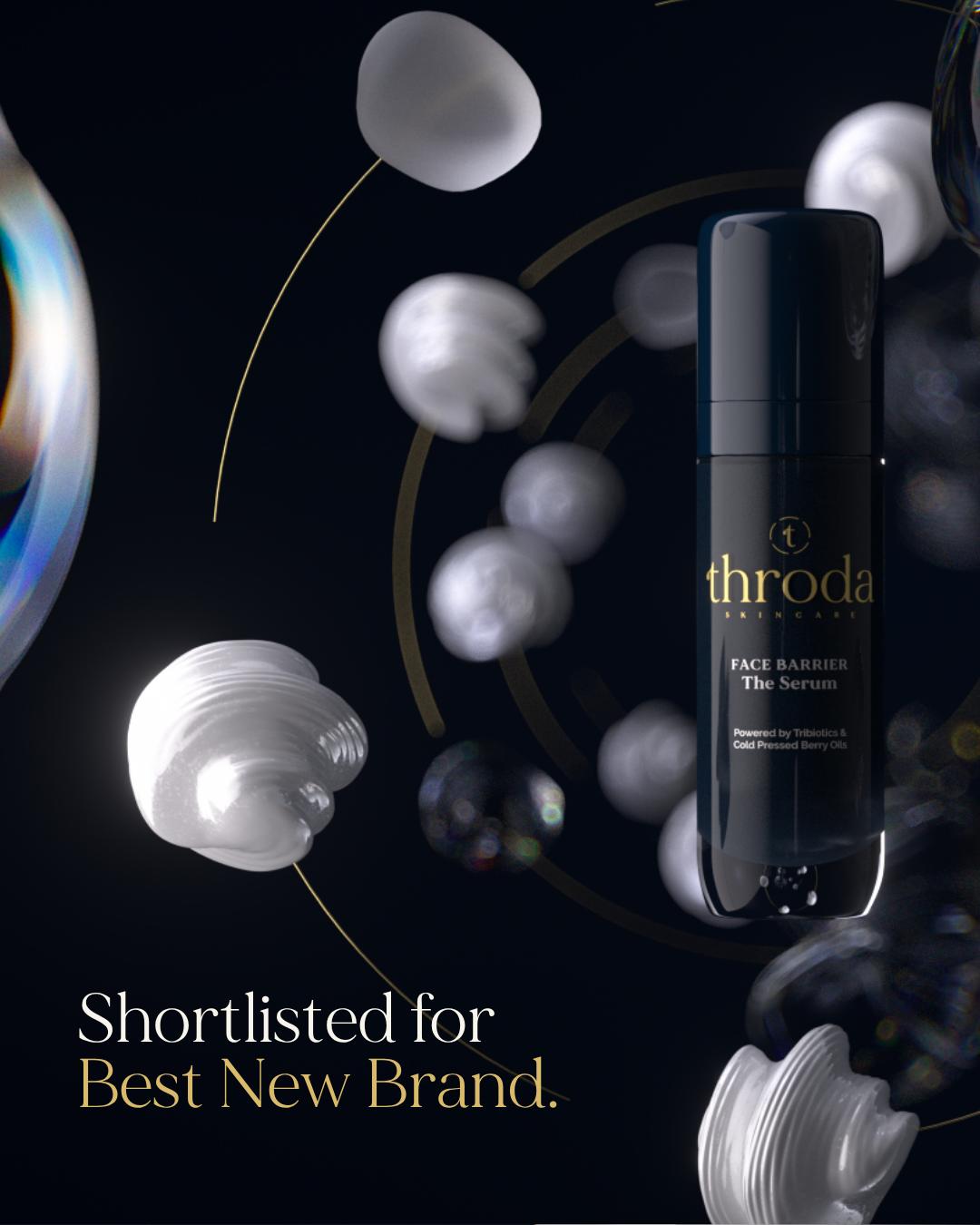
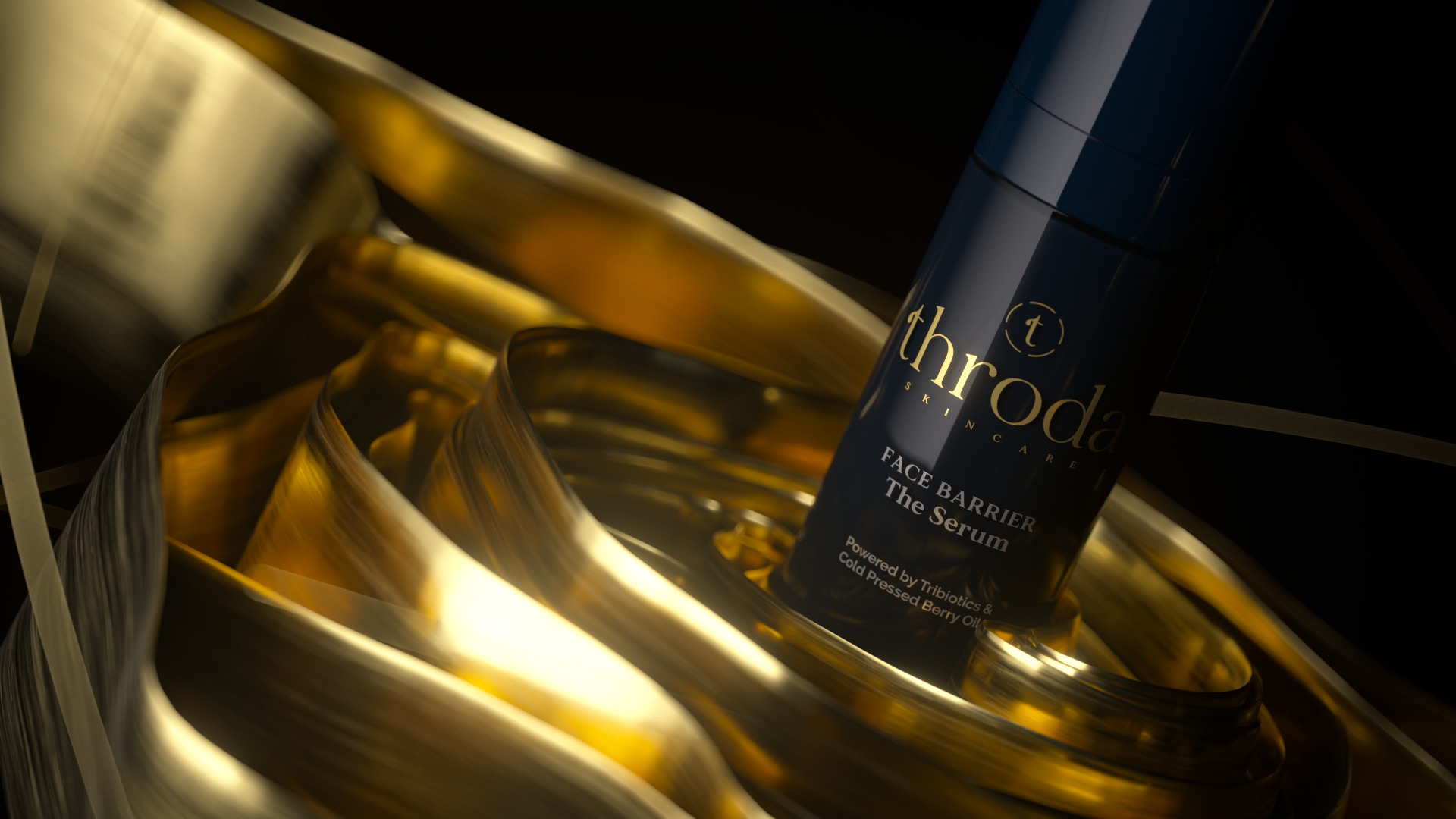
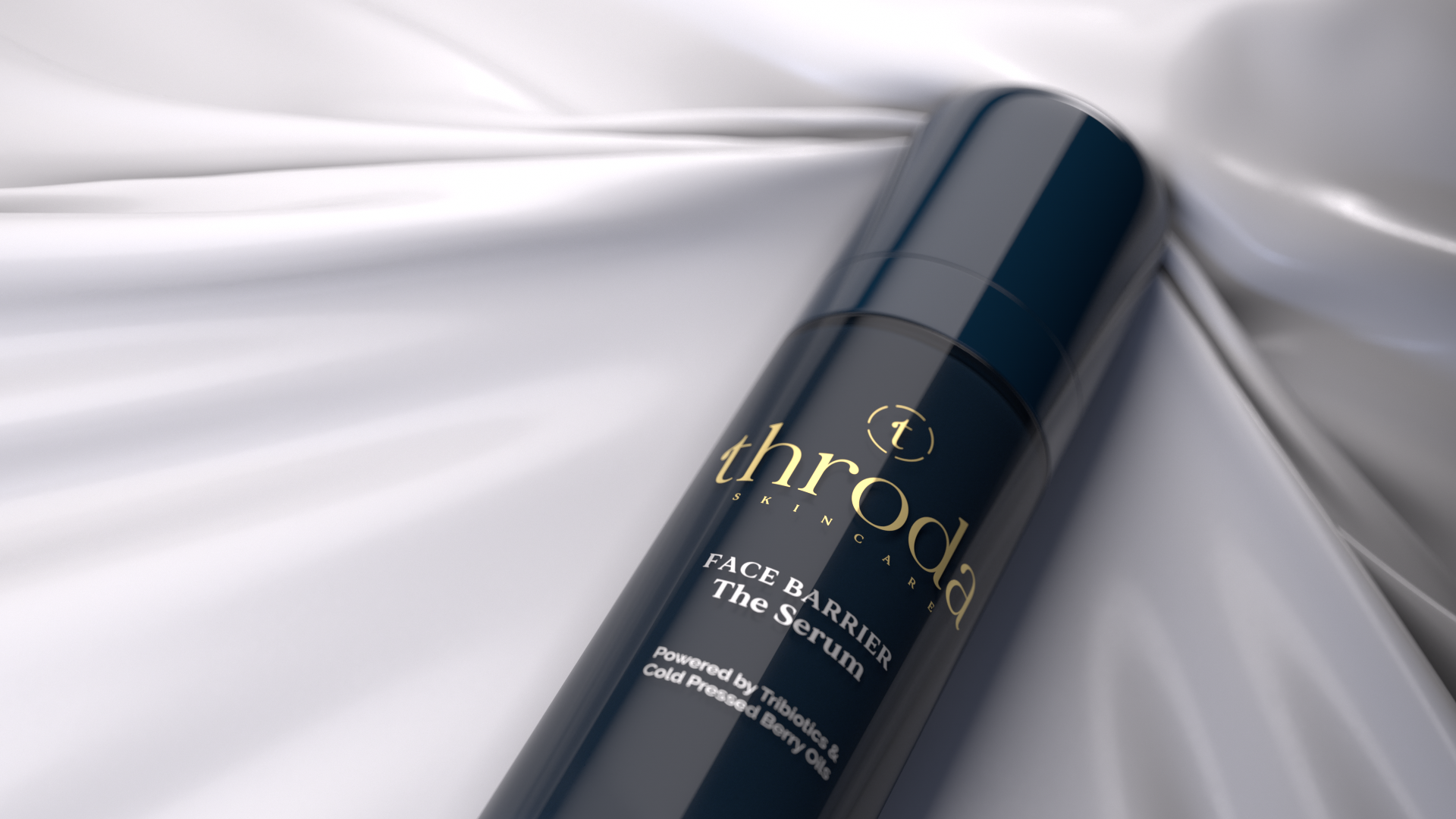
A functional, skin-compatible routine is essential for barrier repair. Start with a pH-balanced, non-stripping cleanser to preserve your skin’s acid mantle. Follow with a treatment serum designed to support your skin's natural repair processes, such as Throda’s Face Barrier Serum.
This high-performance formula contains powerful ingredients to fortify the microbiome, defend against environmental stress, and boost hydration. Finish with a breathable, skin-compatible moisturiser to lock in hydration and support overnight regeneration.
5. The Throda Approach
At Throda, we formulate with purpose. The Face Barrier Serum is engineered to work in harmony with your skin’s biology. The patent pending tribiotic complex helps restore microbial balance, while environmental defence actives and hydrating compounds strengthen the skin’s natural defences. This streamlined, multifunctional approach replaces the need for multiple products while delivering real, science-led results.
Final Thought
Your skin's peak repair period is while you sleep. Support it with targeted, barrier-strengthening skincare. Honour your skin’s biology. Equip it to thrive. Let your skin barrier wake up stronger, more resilient, and visibly healthier.
Explore Throda’s Face Barrier Serum and experience the overnight difference.
Frequently Asked Questions
Does your skin really repair itself overnight?
Yes — overnight is when the skin's repair mechanisms are most active. Blood flow to the skin increases during sleep, supporting cell turnover, collagen synthesis, and barrier restoration. This makes the nighttime window the most valuable opportunity for targeted skincare.
Why does skin lose more moisture at night?
Transepidermal water loss (TEWL) increases during sleep because the skin becomes more permeable at night. Without a barrier-supporting product in your routine, this can lead to dehydration, dullness, and a weakened skin barrier by morning.
What ingredients should I look for in a nighttime skincare routine?
Look for ingredients that support barrier repair and microbiome balance - prebiotics, postbiotics, ceramides, and fatty acids are particularly effective overnight. Avoid harsh exfoliants or high-concentration acids in your nightly routine if your barrier is compromised, as the skin's increased permeability at night makes it more reactive.
How do I know if my nighttime routine is actually working?
Signs of an effective routine include waking up with skin that feels hydrated rather than tight, reduced redness over time, and a more even texture. If your skin feels stripped, congested, or reactive in the mornings, it's worth reviewing whether your products are supporting or disrupting the barrier.
Is a serum enough for a nighttime skincare routine, or do I need multiple products?
A well-formulated barrier serum can do the heavy lifting overnight without layering multiple products. The key is choosing a serum that addresses multiple skin systems — microbiome, skin barrier, immune defence, and cellular protection — rather than a single-function product that requires supplementing. Fewer, smarter products generally deliver better results than a lengthy routine.